

To maximize the value of your master of business administration (MBA) degree, choose a program that fits your lifestyle and goals, choose an in-demand specialization, and explore financing options beyond student loans.
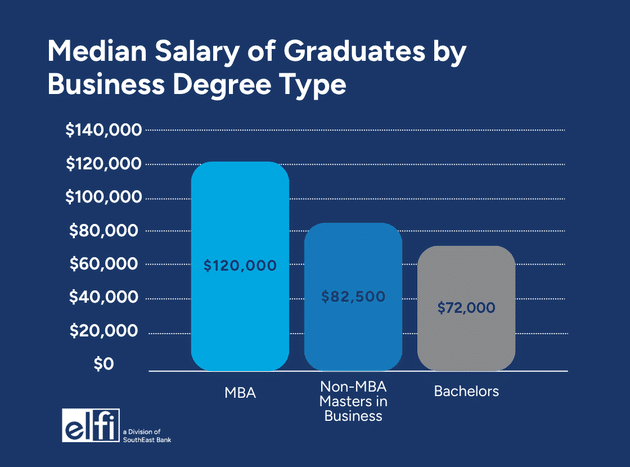
Earning an MBA degree can pay off. The median salary for MBA graduates was $120,000 in 2026, according to the Graduate Management Admissions Council (GMAC) 2026 Corporate Recruiters Survey. That salary is 67% higher than the median salary for bachelor’s degree holders, so it can be a worthwhile investment.
This guide breaks down how to maximize your MBA and how to handle your debt after you graduate.
Key Takeaways
- The median salary for MBA graduates is $37,500 higher than the median salary for those with non-MBA master’s business degrees.
- Globally, employers reported that they are likely to hire more MBA graduates in 2026.
- The most in-demand specializations include artificial intelligence (AI), technology, and data analysis.
- Using employer reimbursement programs, scholarships, and student loan refinancing can reduce the overall cost of your MBA degree.
Is an MBA Worth It?
For most MBA graduates, the degree is well worth the cost thanks to the increase in earning potential and career advancement.
The GMAC survey revealed that the median salary for MBA graduates was significantly higher than that of other degree holders, including those with non-MBA business master’s degrees. For graduates from top programs, the salary payoff is even higher. MBA graduates from The Wharton School at the University of Pennsylvania and University of Chicago Booth School of Business command starting salaries over $200,000
Over the length of your career, those higher salaries can translate into hundreds of thousands in additional earnings.
Plus, MBA graduates tend to be in higher demand. In the GMAC survey, more than one-third of global employers said they are expecting to expand MBA hiring in 2026. As a result, those with an MBA are more likely to secure roles in a competitive job market.
5 Ways to Get the Most Out of an MBA
To maximize your MBA, follow these steps:
1. Choose the Right MBA Program for Your Lifestyle and Goals
Not all MBA programs are the same, and the best one is a program that fits your goals and lifestyle.
A full-time, traditional program can give you a chance to immerse yourself in your education, but it also means taking a step back from your career. By contrast, a part-time program allows you to keep working, but it can take longer, and it requires significant time management skills.
2. Select a Specialization That Matches Your Targeted Career Path
As you work toward your degree, you’ll choose a specialization. Your specialization plays a large role in your career path and employability. GMAC’s survey revealed that employers are particularly seeking out MBAs specializing in AI, technology, and data analytics. Other in-demand specialties include finance and supply chain management.
Selecting a specialization that helps you stand out in recruiting can help you be laser-focused while in school, and build skills that will pay off after graduation.
3. Build Experience As a Student
While MBA programs are rigorous, building experience as a student is key. As an MBA student, the following activities can be invaluable:
- Internships: Interning in your target industry allows you to improve your resume, gain valuable experience, and establish professional connections.
- Fellowships: Fellowships often come with funding and mentorship, which can jumpstart your career.
- Entrepreneur groups and incubators: If you’re thinking of starting your own venture or want to work for a startup, these programs can give you the tools you need to test ideas.
4. Network
Your network is one of the most valuable takeaways you’ll get from your MBA degree. Your professors, fellow students, and alumni can help you develop industry connections and open doors for you.
Stay in touch with professors and academic advisors, reach out to alumni, and participate in recruiting and networking events. Another option is to set up informational interviews. Reach out to professionals who have career paths you admire, and ask them for 10 to 20 minutes of their time. Ask them about their careers, what challenges they faced, and what tips they may have. These interviews can give you unique insights into your target career.
5. Develop a Financing Strategy
The cost of an MBA degree can be high. To maximize your MBA’s return on investment, have a plan in place on how to finance your degree. Options include:
- Employer reimbursement: If you’re currently working, ask your employer if they offer a tuition reimbursement program. You may find that your company will cover some or all of the cost.
- Scholarships and grants: Gift aid doesn’t have to be repaid, and it’s available for MBAs from universities, non-profit organizations, and private companies. Visit databases like FastWeb and Scholarships.com to find potential awards.
- Student Loans: If you need to borrow money for your MBA, there are federal Direct Unsubsidized Loans. However, these loans have strict borrowing limits, so you may need to take out private student loans for the remaining balance.
Repaying MBA Student Loans
Even if you carefully apply for financial aid, you may graduate from your MBA program with student loan debt. If that’s the case, these strategies can help you manage your debt:
- Use your signing bonus: As an MBA graduate, you may receive a signing bonus from your new employer. For example, the Massachusetts Institute of Technology (MIT) reported that the median signing bonus for its MBA graduates was $30,000. You can use your signing bonus to make a lump sum payment toward your loans, drastically cutting down on interest.
- Employer assistance: The Employee Benefit Research Institute reported that 26% of employers offer student loan repayment benefits, and 35% were planning to offer them in the future. Ask your company’s human resources department if your employer offers this benefit. If you qualify, your employer may match your student loan payments.
- Alternative payment plans: If your payments are unaffordable, contact your lender or loan servicer. You may be eligible for alternative payment plans, such as one of the available income-driven repayment plans.
- Student loan refinancing: If you have high-interest MBA student loans, you may be eligible for student loan refinancing. When you refinance, you may qualify for better rates and terms, making your debt more manageable. You can use ELFI’s Check My Rate tool to view your loan options without affecting your credit.
FAQs
Is a pricey MBA worth the cost?
Whether an expensive MBA program is worth the cost depends on your career goals. Programs like The Wharton School and Chicago Booth have high tuition rates, but graduates tend to earn significantly higher salaries, which may make it worth the premium.
Should I work while working toward an MBA?
Juggling work while in an MBA program can be difficult. Whether it makes sense depends on your finances, career goals, and your program.
How can I reduce the cost of an MBA degree?
To reduce the cost of an MBA degree, opt for a public, in-state university, apply for scholarships and grants, and talk to your employer about tuition reimbursement programs.