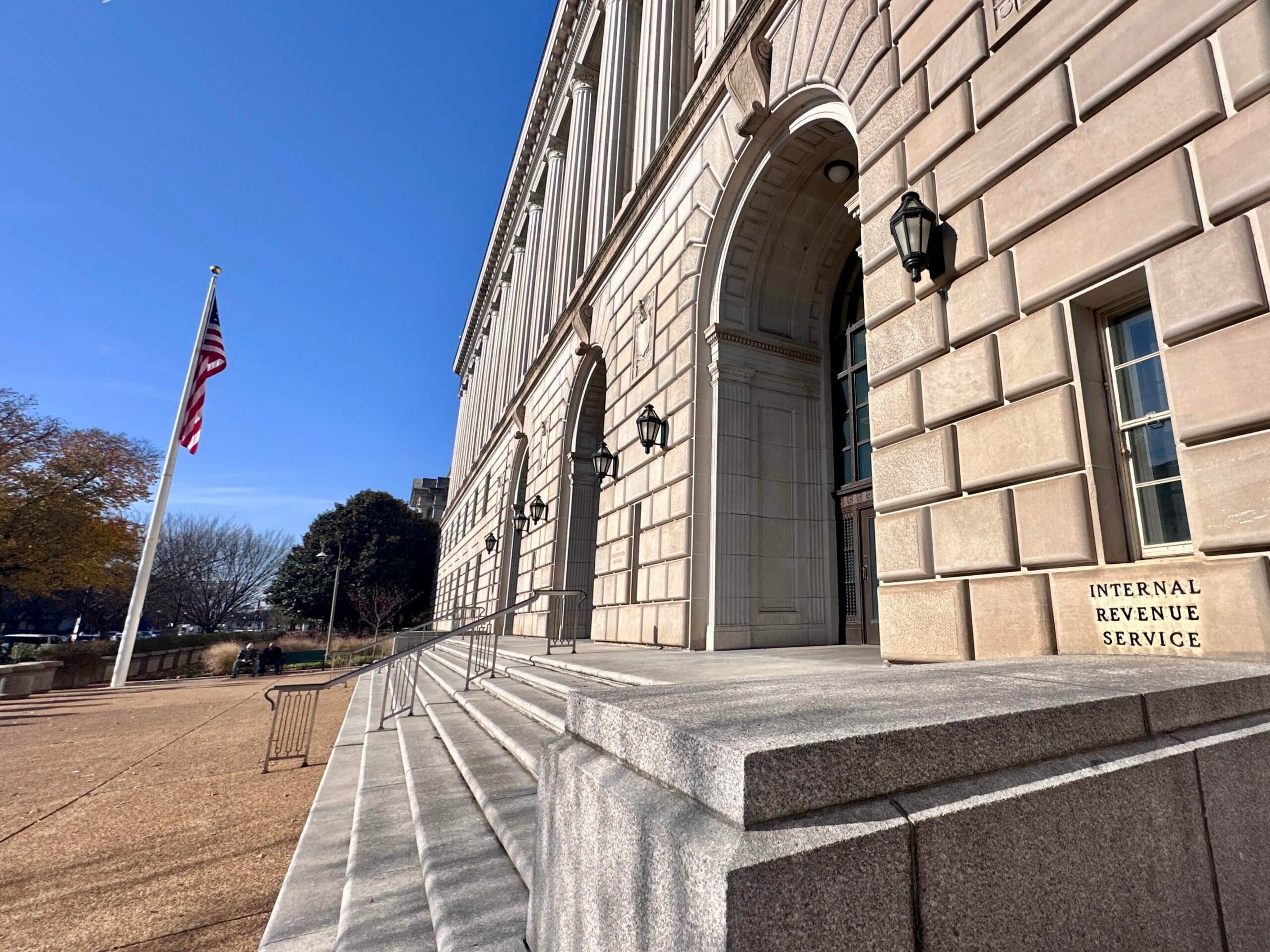
If you’re working toward student loan forgiveness through an income-driven repayment (IDR) plan, there’s an important change you need to know about: Starting January 1, 2026, forgiven loan balances under these plans may be treated as taxable income by the IRS.
This shift marks the end of a temporary tax exemption that has been in place since 2021, and it could significantly impact borrowers who are approaching the 20- or 25-year mark for IDR forgiveness.
What’s Changed About Student Loan Forgiveness
Under the American Rescue Plan Act of 2021, most types of student loan forgiveness were excluded from federal income tax through December 31, 2025. That provision has now expired, which means borrowers whose loans are forgiven in 2026 and beyond may face federal income taxes on the forgiven amount.
This tax liability is often referred to as a “tax bomb” because it can result in a substantial, unexpected bill at what should be a moment of financial relief.
Who Could Be Affected
This change applies primarily to borrowers enrolled in income-driven repayment plans who reach forgiveness after 20 or 25 years of qualifying payments. These plans include Income-Based Repayment (IBR), Pay As You Earn (PAYE), Saving on a Valuable Education (SAVE), and Income-Contingent Repayment (ICR).
Public Service Loan Forgiveness (PSLF) remains tax-free at the federal level, and forgiveness due to total and permanent disability also continues to be exempt from taxation.
Understanding the Potential Tax Impact
When your student loan balance is forgiven under an IDR plan, the IRS treats that forgiven amount as income for the year it’s discharged. This can push you into a higher tax bracket and result in a significant tax bill.
For example, consider a single borrower with a gross income of $50,000 who has $40,000 in student loans forgiven. That forgiveness gets added to their income, bringing their total to $90,000 for that year. Instead of owing roughly $5,914 in federal taxes on their salary alone, they could owe approximately $14,714 in combined federal taxes—a difference of $8,800.
According to the nonprofit advocacy group Protect Borrowers, college graduates and parents with the average forgiven balance—around $49,000—could face a tax liability ranging from $5,800 to over $10,000, depending on their income and tax bracket. Depending on where you live, state taxes may add to this burden.
How to Estimate Your Tax Liability
There are many resources available to help you get an estimate of what you might owe based on your projected forgiven balance, income, assets, and liabilities. For example, TaxAct’s tax bracket calculator can give you a quick estimate of your liability based on your filing status and expected gross income, including potential canceled debt. For a more accurate estimate, you can also include other select income sources and deductions.
However, the best way to zero in on what a student loan tax bomb could cost you is to consult with a tax professional. An experienced tax advisor can review your full tax situation, give you a more accurate idea of what to expect, and even provide advice on how to reduce your tax liability.
Preparing for the Tax Bomb
If you’re nearing forgiveness on an IDR plan, there are steps you can take now to prepare:
- Start saving early. Setting aside funds specifically for this tax liability can help you avoid financial stress when the bill arrives. Even modest monthly contributions to a dedicated savings account can add up over time.
- Understand insolvency rules. If your total debts exceed your total assets at the time of forgiveness, you may qualify for the IRS insolvency exclusion, which could reduce or eliminate your tax liability. This calculation is complex and typically requires professional guidance.
- Consult a tax professional. As you approach your forgiveness date, working with a certified public accountant or tax advisor can help you understand your specific situation and explore strategies to minimize your tax burden.
- Consider setting up an IRS payment plan. If you do face a tax bill you can’t afford to pay immediately, the IRS offers installment agreements that let you pay over time.
Is Refinancing Your Student Loans a Better Path?
For some borrowers, the potential tax bomb raises an important question: Is staying on an IDR plan still the right choice?
Student loan refinancing offers an alternative. By replacing your federal loans with a new private loan at a potentially lower interest rate, you can pay off your debt faster—often in 5 to 15 years instead of 20 to 25. This means you avoid the balance growth that happens on IDR plans and eliminate the risk of a future tax bomb entirely.
Refinancing works especially well if you have a stable income and good credit. It can help you save thousands in interest while giving you a clear path to becoming debt-free.
Ready to explore your options? ELFI’s Student Loan Advisors can guide you through the application process and help you determine the best path for you.