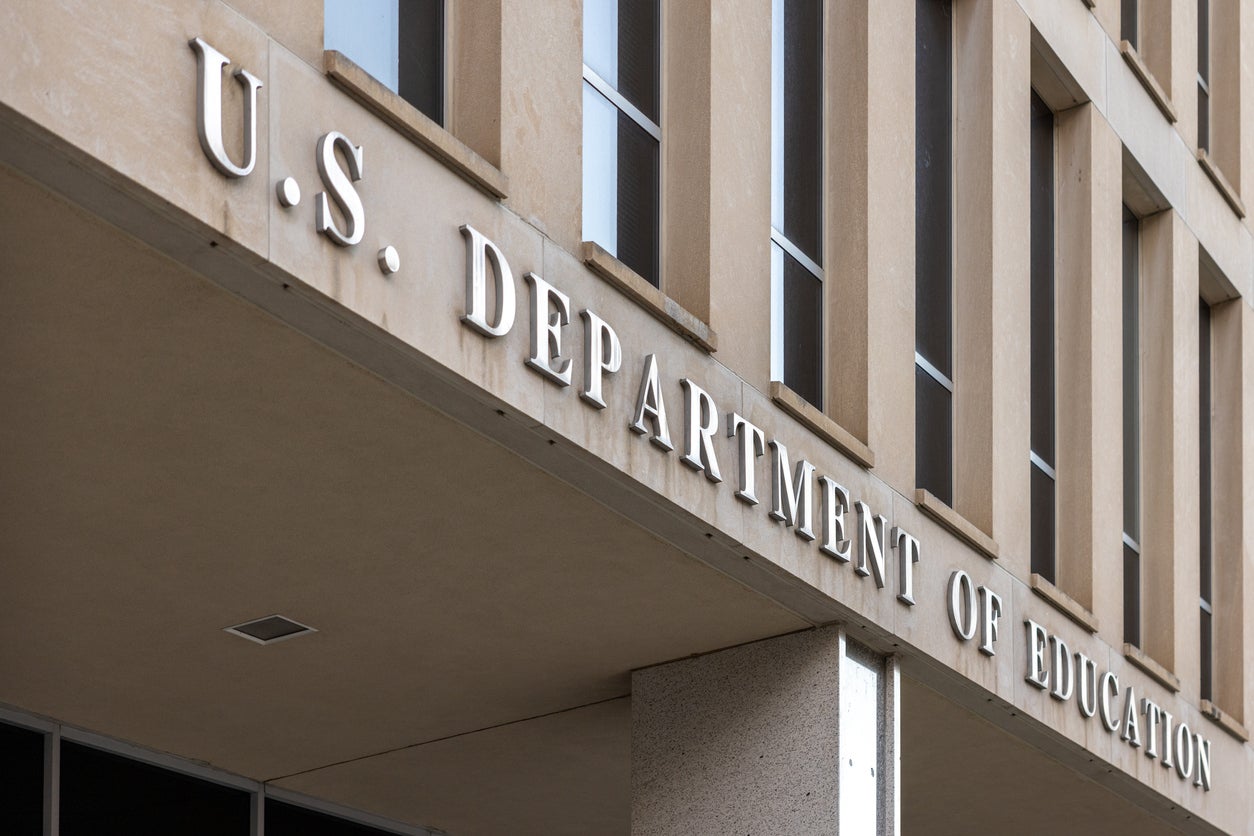
If you’re one of the seven million borrowers who were enrolled in the Saving on a Valuable Education (SAVE) plan, your repayment plan may be coming to an end. The U.S. Department of Education (ED) proposed a settlement that would end the SAVE plan and move borrowers into other repayment plans.
As a SAVE borrower, it’s important to understand the timing of these changes so you can choose a repayment plan.
What Is the SAVE Plan?
During the final year of President Biden’s time in office, his administration launched the SAVE plan for federal student loan borrowers. This new plan was an income-driven repayment (IDR) plan that took a smaller percentage of borrowers’ discretionary incomes and offered a quicker path to student loan forgiveness than other repayment plans.
The plan was immensely popular. According to a press release from the Biden administration, millions of people enrolled in the plan as soon as the application became available.
However, the SAVE plan immediately faced legal challenges, and enrolled borrowers’ loans were put into forbearance. Interest began accruing on SAVE borrowers’ loans in August 2025, but borrowers didn’t have to make payments. That benefit may now be coming to an end.
The Department of Education’s Plan for SAVE
In December, the ED announced a proposed settlement with the State of Missouri that would have national implications for borrowers. The settlement would end SAVE, and borrowers currently enrolled in the plan would be moved to different repayment plans.
If the court approves the proposal, borrowers will have a limited amount of time to select a new plan. How much time? That’s not yet certain, but the Trump administration said it encourages borrowers to explore their options and select a new plan now.
Borrower Options After SAVE Ends
The ED says borrowers should review their repayment options and select a new repayment plan. Borrowers can use the federal Loan Simulator tool to estimate their payments and view loan options.
IDR Plans
Currently, borrowers can choose from three IDR plans:
- Income-contingent repayment (ICR)
- Income-based repayment (IBR)
- Pay As You Earn (PAYE)
| ICR | IBR | PAYE | |
| Payment Amount | Lesser of fixed payments over 12 years and 20% of your discretionary income | 10% of discretionary income (for loans disbursed on or after July 1, 2014) | 10% of discretionary income |
| Repayment Term | 25 years | 20 years (for loans disbursed on or after July 1, 2014) | 20 years |
| Eligibility | Direct Subsidized Direct Unsubsidized Grad PLUS Parent PLUS (If consolidated with a Direct Consolidation Loan) | Direct Subsidized Direct Unsubsidized Grad PLUS |
However, President Trump’s One Big Beautiful Bill eliminates ICR and PAYE. After July 1, 2026, only IBR will be available.
[Important: If you plan on pursuing loan forgiveness through a program like Public Service Loan Forgiveness (PSLF), enrolling in IBR is the only way to get credit for your monthly payments and make progress toward loan forgiveness.]
New Repayment Plan
Going forward, there will be a new repayment plan, the Repayment Assistance Plan (RAP). This new plan charges a percentage of your adjusted gross income (AGI) minus $50 per dependent, and the percentage you pay depends on your loan balance.
| AGI | Payment Amount |
| $10,000 or less | $10 per month |
| $10,0001 to $20,000 | 1% of AGI |
| $20,001 to $$30,000 | 2% of AGI |
| $30,001 to $40,000 | 3% of AGI |
| $40,001 to $50,000 | 4% of AGI |
| $50,001 to $60,000 | 5% of AGI |
| $60,001 to $70,000 | 6% of AGI |
| $70,001 to $80,000 | 7% of AGI |
| $80,001 to $90,000 | 8% of AGI |
| $90,001 to $100,000 | 9% of AGI |
| $100,001 and up | 10% of AGI |
Under the RAP, the maximum you’ll pay is 10% of your AGI. If you still have a balance after 30 years, the remaining amount is forgiven.
The RAP will be available in 2026, but borrowers cannot apply for it yet.
Deferment or Forbearance
If you’re returning to school, lose your job, or have a medical emergency, you may be eligible for a federal deferment or forbearance. These programs allow you to pause your payments for months at a time. Depending on the type of loan you have, interest may continue to accrue, but you won’t have to worry about making payments.
Contact your loan servicer to discuss your loan forbearance or deferment options.
SAVE Plan Forbearance FAQs
I enrolled in SAVE; do I have to make payments now?
If you’re enrolled in the SAVE plan, you do not have to make payments right now because your loans are still in general forbearance. However, interest is accruing on your loans, and the ED encourages borrowers to switch to another plan soon.
What payment plans are available if SAVE ends?
With the SAVE plan ending, you can switch to another payment plan like IBR, ICR, or PAYE.
How can I find out which student loan payment plan will give me the lowest payment?
You can use the federal Loan Simulator tool to view your payment options, estimate monthly payments, and see when you’d qualify for loan forgiveness.